One Platform for All Services: Why People Prefer Multi-Service Marketplaces
One Platform for All Services: Why People Prefer Multi-Service Marketplaces

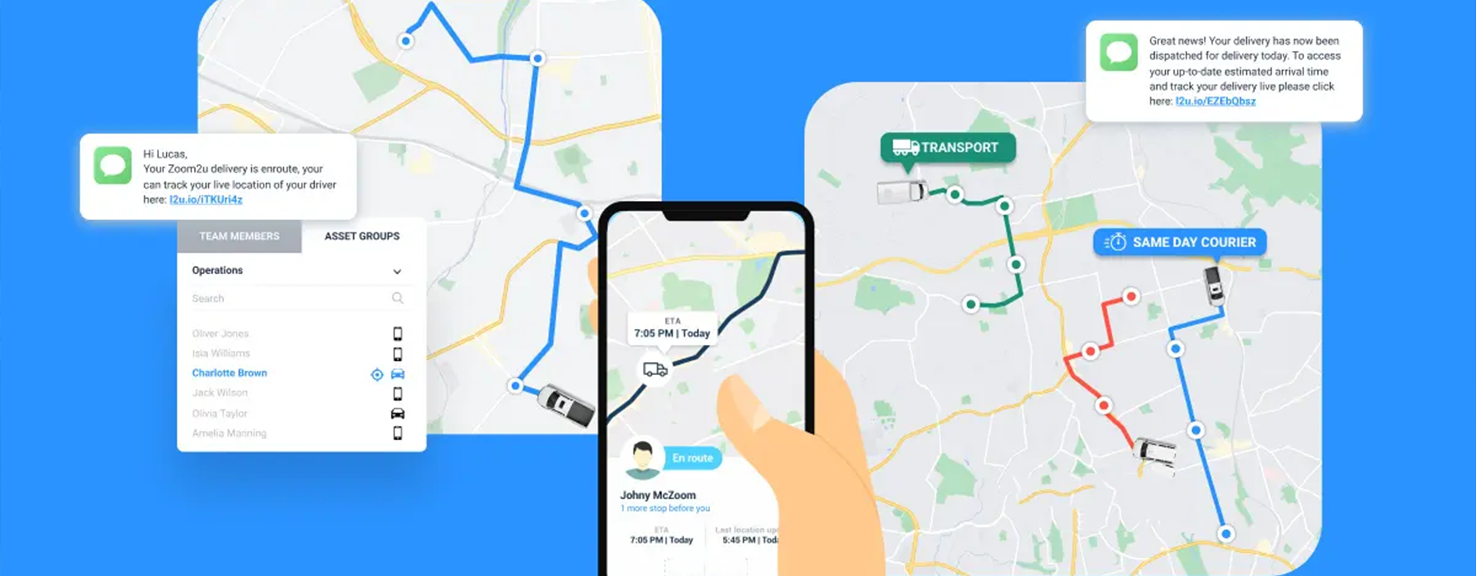

The laundry pickup and delivery market is booming across the UK. Customers expect convenient, reliable service with real-time tracking and precise delivery windows. Meeting these expectations while controlling costs requires intelligent route optimization and professional driver apps.
Poor route planning wastes fuel, frustrates drivers, causes late deliveries, and ultimately damages your reputation. Meanwhile, competitors using smart technology serve more customers with fewer vehicles while reducing operational costs significantly.
This guide explores the best route optimization and driver app solutions for UK laundry delivery businesses in 2026, helping you choose technology that maximizes efficiency and customer satisfaction.
Unlike package delivery where customers receive parcels once, laundry services require two trips for each order: pickup and delivery. This doubles your routing complexity and fuel costs compared to single-delivery models.
Manual route planning cannot compete with algorithmic optimization. Drivers waste time backtracking, sitting in predictable traffic, and searching for addresses. Even experienced drivers following familiar routes miss opportunities for efficiency that smart software identifies instantly.
Route optimization software typically reduces total mileage by 20% to 30%, cuts fuel costs proportionally, enables each driver to handle more stops per shift, reduces vehicle wear and maintenance expenses, and improves on-time delivery rates dramatically.
The savings compound quickly. A business running three delivery vehicles can save thousands of pounds monthly through route optimization alone.
Not all route optimization tools suit laundry delivery businesses equally well. Look for these critical features when evaluating solutions.
Dynamic Route Recalculation: Traffic conditions change constantly. Your software should automatically adjust routes in real-time based on current traffic, road closures, and delays.
Time Window Management: Customers specify preferred pickup and delivery times. Your system must respect these constraints while optimizing overall efficiency.
Multi-Stop Optimization: Laundry delivery involves numerous stops across different areas. The software should handle complex multi-stop routes with pickup and delivery combinations.
Load Capacity Planning: Vehicles have weight and space limits. Smart software considers these constraints when assigning orders to drivers.
Driver App Integration: Route optimization only works if drivers can follow optimized routes easily. Integrated mobile apps provide turn-by-turn navigation, customer contact information, and order details.
Customer Communication: Automated notifications keep customers informed about pickup and delivery status, reducing anxiety and support calls.
The most effective approach combines route optimization with your overall business management system. When your POS, customer database, order management, and delivery coordination work together seamlessly, efficiency increases dramatically.
Integrated platforms eliminate the manual data transfer between separate systems. Orders flow automatically from customer booking to driver assignment to route optimization. Drivers access complete order details, customer preferences, and special instructions directly through their app.
Bestatservices offers comprehensive solutions that unify customer management, order processing, and delivery coordination into single platforms designed specifically for laundry businesses. This integration eliminates the inefficiencies and errors that occur when using disconnected tools. Visit https://bestatservices.com/ to explore how integrated delivery features streamline your entire operation from order placement to customer doorstep.
If you prefer specialized standalone tools, several options serve UK delivery businesses well.
Circuit for Teams provides straightforward route optimization focused on small to medium-sized delivery operations. The system handles multi-stop routes with time windows and offers simple driver apps for navigation. Pricing starts around £30 per driver monthly.
Route4Me delivers enterprise-grade route optimization with advanced features like territory management and performance analytics. The platform suits businesses managing larger fleets across multiple regions. Monthly costs begin at approximately £150 for basic plans.
Onfleet combines route optimization with comprehensive delivery management including customer notifications, proof of delivery, and detailed analytics. The service works well for growing laundry businesses expanding their delivery operations. Pricing typically starts around £400 monthly for small fleets.
Your drivers need mobile apps that make their jobs easier, not harder. The best driver apps include these essential features.
Intuitive Interface: Drivers work while moving. Apps must be simple enough to use safely with minimal distraction. Large buttons, clear displays, and logical workflows are essential.
GPS Navigation: Turn-by-turn directions help drivers reach unfamiliar addresses quickly. Integration with popular navigation apps like Google Maps or Waze provides familiar experiences.
Order Details: Drivers need instant access to customer names, contact information, special instructions, order contents, and payment status.
Communication Tools: One-tap calling or messaging lets drivers contact customers quickly if needed. In-app chat with dispatch helps resolve questions without phone calls.
Proof of Delivery: Photo capture, signature collection, and delivery notes create accountability and resolve disputes. Customers appreciate photographic confirmation that their laundry arrived safely.
Offline Functionality: Mobile coverage gaps happen. Apps should cache essential information allowing drivers to continue working when temporarily offline.
Standalone route optimization tools often cost less initially but create hidden inefficiencies. You must manually transfer order information from your POS to the routing software, update customer notifications separately, reconcile delivery records across multiple systems, and train staff on multiple disconnected platforms.
These inefficiencies waste time daily and create opportunities for errors. Orders get lost, customers miss notifications, and reconciling records becomes tedious.
Integrated platforms cost more upfront but eliminate these inefficiencies entirely. Orders flow automatically through your entire system from booking to delivery. Customer notifications trigger automatically at each stage. All data lives in one place, making reporting and analysis straightforward.
Most businesses find integrated solutions deliver better long-term value despite higher initial costs.
Successfully implementing route optimization requires more than just purchasing software. Follow these best practices for smooth adoption.
Involve Your Drivers Early: Get driver input during software selection. They will use these tools daily, so their feedback matters. Early involvement also increases adoption enthusiasm.
Start with Training: Dedicate proper time to training before going live. Rushed training leads to frustration and resistance.
Begin Gradually: If possible, pilot the system with one or two drivers before rolling out fleet-wide. This identifies issues while they are still manageable.
Monitor and Adjust: Track key metrics like on-time delivery rates, average stops per shift, fuel consumption, and customer satisfaction. Use this data to refine your processes continuously.
Gather Driver Feedback: Regular check-ins with drivers reveal practical issues that data might miss. Their insights help you optimize the system further.
Track these metrics to quantify your route optimization benefits:
Average deliveries per driver per shift, total daily mileage across your fleet, fuel costs per delivery, on-time delivery percentage, customer satisfaction scores, and driver satisfaction and retention.
Most businesses see measurable improvements within the first month, with benefits continuing to grow as you refine your processes.
Route optimization and professional driver apps are no longer optional for competitive laundry delivery businesses. The technology has matured, costs have decreased, and customer expectations have risen. Businesses using smart routing technology serve more customers efficiently while those relying on manual planning fall behind.
Whether you choose integrated platforms or standalone tools, investing in proper delivery technology pays for itself quickly through reduced fuel costs, increased delivery capacity, and improved customer satisfaction.
Ready to optimize your delivery operations? Bestatservices provides comprehensive integrated solutions that connect your entire laundry business from customer orders to driver routes to completed deliveries. Visit https://bestatservices.com/ to discover how unified technology platforms can transform your delivery efficiency and customer experience.
One Platform for All Services: Why People Prefer Multi-Service Marketplaces

Daily Deals on Local Services: How to Save Money on Essential Services

How Service Providers Can Get More Customers Without Ads